

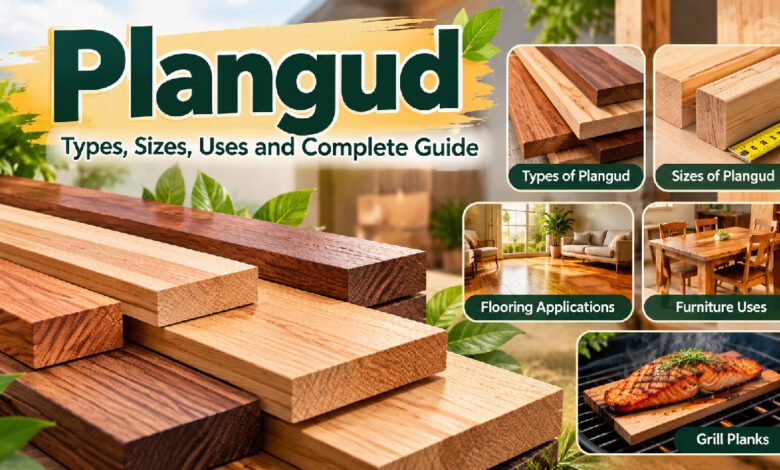
Plangud is an Estonian word that usually refers to wooden planks or thick boards. You may see the term while searching for timber, furniture materials, flooring, building products, or wooden boards used for outdoor cooking. The exact meaning depends on the subject around the word, because Plangud is not the name of one fixed product. In most traditional Estonian use, it simply describes more than one plank.
The word can become confusing for English readers because some websites also connect Plangud with planning, productivity, workflows, and project management. These uses should be treated separately from the normal Estonian meaning. A reader should always look at the surrounding words before deciding what Plangud means. If the page mentions wood species, dimensions, sawmills, furniture, flooring, or grilling, it is almost certainly talking about physical wooden boards rather than a digital planning system.
What Is Plangud?
Plangud is the plural form of the Estonian word plank, which means a plank or thick board. In simple English, Plangud can therefore be translated as “planks.” These boards can be used for many purposes, including furniture making, building work, interior decoration, flooring, outdoor projects, and certain types of cooking. Their exact size, thickness, surface, and wood species can change according to the seller and intended use.
Plangud should not be understood as one standard product with a fixed measurement. One seller may use the word for thick rough-sawn boards, while another may sell smooth planed planks ready for furniture work. A cooking shop may use a similar term for wooden grilling boards. This is why the full product description matters more than the word alone. Buyers should check the type of wood, measurements, condition, moisture level, surface finish, and intended purpose before purchasing.
Plangud Meaning in the Estonian Language
In Estonian, Plangud is mainly a normal material-related word rather than a special brand name. It describes multiple planks, just as the English word “planks” describes more than one plank. Related forms of the word may appear in Estonian sentences depending on grammar. For example, forms similar to plankudest can refer to something made “from planks.” These changes are normal in the Estonian language and do not necessarily describe different products.
For someone using an online translator, the basic translation may be easy, but understanding the actual product can require more attention. A timber listing may combine Plangud with words describing the wood species, dimensions, edge style, surface treatment, or drying method. Those extra details explain what kind of plank is being sold. For this reason, buyers should not rely only on a direct translation. Reading the entire listing usually gives a much more accurate understanding of the material.
Why Plangud Appears in Different Online Searches
Plangud appears across many different types of websites because wooden planks have a wide range of uses. Timber yards may list thick boards for construction or furniture. Woodworking suppliers may offer natural-edge slabs for tables and benches. Interior businesses may discuss plank flooring or wall features, while cooking stores may sell wooden boards designed for grilling fish and other foods. All of these results can contain the same basic Estonian word.
Search results become more confusing when unrelated websites use Plangud as a name for planning or productivity ideas. These articles sometimes describe it as a workflow method, project-management system, productivity platform, or digital organization tool. Such descriptions should not be mixed automatically with the established Estonian meaning of the word. The safest way to understand any result is to examine its context. Words such as timber, oak, ash, dimensions, sawmill, grilling, or flooring normally point toward wooden planks.
Plangud in Timber and Sawmill Work
In timber and sawmill work, Plangud usually means thick pieces of wood that have been cut from logs. The boards may be sold immediately after sawing, or they may go through additional processes such as drying, edging, planing, or sanding. Rough-sawn planks normally have a less even surface and may need more workshop preparation. Planed boards are smoother and are often easier to measure, join, finish, and use in furniture or construction work.
The quality of a plank depends on much more than its thickness. Wood species, grain direction, knots, cracks, moisture, drying method, and the way the log was cut can all affect performance. Two boards with the same measurements may behave differently because natural wood is never completely uniform. Small knots and grain changes can add attractive character, while large cracks, rot, weak knots, or serious twisting may reduce usefulness. Structural projects usually require more careful inspection than simple decorative work.
What Are Servamata Plangud?
Servamata Plangud are unedged planks. Instead of having both long sides cut into perfectly straight lines, these boards keep some of the original outer shape of the tree. The edge may curve, change width, or show the natural shape of the log. In English, similar products are often described as unedged boards, natural-edge boards, or live-edge slabs, depending on their appearance and how much of the original tree shape remains.
These planks are popular with furniture makers because their irregular edges can create distinctive tables, counters, benches, shelves, and decorative pieces. However, they usually need more preparation than standard straight boards. Loose bark may have to be removed, soft areas need inspection, and the top surface may require flattening. Natural-edge wood can also contain cracks or uneven sections that must be considered during design. When selected carefully, Servamata Plangud can create furniture that looks natural, solid, and individually shaped.
Common Wood Species Used for Plangud
Plangud can be produced from many different tree species, and each wood gives the finished product different qualities. Pine and spruce are commonly used for general building because they are widely available, relatively light, and easy to cut. Birch has a lighter appearance and can work well for clean-looking indoor furniture. Oak is heavier and usually valued for strength, durability, visible grain, and furniture that is expected to last for many years.
Ash is another hardwood known for noticeable grain and good strength. Alder is generally softer and is used in several woodworking applications, while it can also appear in food-safe grilling products when properly prepared. Aspen may be used for lighter wood products and selected interior applications. There is no single best wood for every Plangud project. The right species depends on where the board will be used, the amount of moisture it may face, the required strength, appearance, available budget, and the tools used for construction.
Plangud Sizes, Thickness, and Moisture
There is no single standard thickness for Plangud. Timber sellers can offer boards in many dimensions because construction, furniture, flooring, and decorative work all require different sizes. Some boards may be relatively thin, while heavy furniture slabs can be several centimetres thick. Unedged hardwood boards are often sold in thicker sizes because buyers may need enough material for flattening, sanding, and final shaping before the wood becomes part of a table or other finished item.
Moisture content is equally important. Freshly cut wood contains a large amount of moisture and can change shape as it dries. Air-dried or kiln-dried boards are generally more suitable for finished furniture when their moisture level matches the environment where they will be used. Wide boards can cup, bow, twist, or develop cracks if drying or storage is poor. Buyers should therefore check exact thickness, width, length, drying condition, and moisture rather than judging a plank only from photographs.
Plangud for Furniture and Interior Design
Furniture makers value thick Plangud because a single good board can become a strong and visually attractive part of a design. Wide planks can be turned into dining tables, coffee tables, benches, shelves, desks, counters, window seats, or headboards. Natural grain creates visual interest without requiring complicated decoration. Oak, ash, birch, and other attractive hardwoods are especially useful when the surface of the wood will remain visible in the finished piece.
The amount of work required depends on how the boards are supplied. Rough timber may be cheaper, but it often requires flattening, planing, sanding, cutting, and careful finishing. A ready-planed board can cost more but may save workshop time and reduce waste. Interior projects also need stable, properly dried timber. A beautiful board that contains too much moisture may later shrink or move after installation. Good furniture therefore begins with both appearance and technical suitability rather than appearance alone.
Plangud for Construction, Outdoor Work, and Flooring
Plangud can also be used for fences, garden furniture, steps, platforms, shelving, outdoor seating, and many other building projects. Construction use requires attention to strength and exposure. A board that works perfectly for an indoor shelf may not perform well outside where it faces rain, changing temperatures, and repeated moisture. Outdoor wood needs suitable species, good drainage, proper fixing methods, and protection that matches the conditions where the finished project will remain.
The term may also appear in flooring-related searches. In this setting, Plangud usually refers to wooden boards or plank-style materials used to create a floor surface. Flooring boards need suitable moisture levels, stable dimensions, and a finish designed for regular foot traffic. Wide solid-wood flooring can look attractive, but natural wood continues reacting to humidity. Proper installation and room conditions are therefore important. Plangud flooring should be understood as a contextual description rather than automatically as one particular branded flooring system.
What Are Grill Plangud?
Grill Plangud are wooden boards used for cooking food over a barbecue or grill. Instead of placing delicate food directly on the metal grate, the food sits on a wooden board while heat from the grill cooks it. As the wood becomes hot, it can release a mild smoky aroma that adds flavour. Plank grilling is especially popular for salmon, although other fish, vegetables, and suitable foods can also be prepared using similar methods.
Cooking boards must be completely different from random construction scraps. The wood should be untreated, clean, and suitable for food use. Painted, pressure-treated, glued, chemically preserved, or unknown wood should never be used for cooking because heat may release unwanted substances. Cedar and alder are well-known choices for plank grilling, while other suitable untreated woods may also be used. Anyone purchasing Grill Plangud should follow the manufacturer’s instructions because board thickness, wood species, soaking needs, and recommended cooking temperatures may vary.
How to Use Grill Plangud Safely
A grilling plank is still a piece of wood, which means it can burn if exposed to too much heat. Many cooking boards are soaked in water before use to slow the burning process and help the wood heat gradually. The exact soaking time depends on the board and manufacturer, so the supplied instructions should always come first. Once prepared, food is placed on the board and the plank is positioned over controlled grill heat.
The grill should never be left unattended while a wooden board is being used. Some darkening, smoking, or charring around the edges can happen, but open flames need immediate attention. Keeping heat at a manageable level reduces the chance of the plank catching fire too quickly. After cooking, the board must cool completely before handling or disposal. Reuse should depend on its condition and manufacturer guidance. A badly charred, cracked, dirty, or damaged board should be replaced rather than used again.
How to Choose the Right Plangud
Choosing good Plangud begins with knowing exactly what you plan to build or make. A dining table requires different qualities from a fence board, flooring plank, garden bench, or grilling board. Once the purpose is clear, compare the wood species, thickness, width, length, moisture condition, edge style, and surface finish. Furniture makers may care strongly about grain and appearance, while builders may focus more heavily on strength, durability, and suitability for the environment.
Timber should also be inspected for serious defects. Look along the length of the board to see whether it bows or twists. Check for deep cracks, rot, insect damage, weak knots, and other areas that could affect performance. Some natural marks are normal and may even improve the appearance of decorative furniture. For cooking, the rules are different: only use boards sold as suitable for food contact. A construction plank should never be assumed safe for grilling simply because it looks clean.
How to Store, Dry, and Care for Plangud
Correct storage helps Plangud remain useful before they are turned into finished products. Timber should normally be kept on flat, level supports instead of lying directly on wet ground or concrete. Spacer sticks between boards can improve airflow and help moisture leave the timber more evenly. The stack should be protected from direct rain while still allowing ventilation. Poor support can encourage boards to bow, while uneven drying can increase twisting, cracking, and other movement.
Indoor furniture wood may also need time to adjust to the workshop or room where it will be used. Moving cold or damp timber directly into assembly can create problems later when moisture and temperature change. Allowing boards to acclimate can reduce unexpected movement after construction. Finished wood still needs suitable care because natural timber continues reacting to its surroundings. Grill boards require different treatment: after use they should be cooled, cleaned according to their instructions, dried properly, and discarded when excessive burning or splitting makes continued use unsuitable.
Is Plangud Also a Planning or Productivity Tool?
Some online articles describe Plangud as a planning method, productivity platform, workflow system, or project-management tool. These descriptions can make the term appear to have a completely different meaning. However, claims about a specific Plangud software product, AI features, cloud syncing, free accounts, offline access, encrypted storage, or integrations should not be accepted automatically unless they can be confirmed through an identifiable service and reliable product information.
The established language meaning is much simpler: Plangud is the Estonian plural of plank and normally refers to planks or boards. This does not prevent a company, website, or project from independently using the same word as a product name. It only means that these meanings should be kept separate. If a page discusses goals, teams, schedules, tasks, and workflows, it may be using Plangud as a name or planning concept. If the page discusses timber, sawmills, wood, dimensions, or grilling, it means physical planks.
Common Mistakes When Understanding Plangud
One common mistake is assuming that every result for Plangud describes the same thing. The word can appear in timber, furniture, flooring, grilling, construction, and unrelated planning content. Another mistake is assuming that all wooden Plangud are interchangeable. Wood species, moisture, thickness, grading, treatment, and surface preparation can make two visually similar boards suitable for completely different jobs. A rough construction plank is not automatically suitable for fine furniture or cooking.
Buyers may also focus too much on thickness. A thick board can still contain serious cracks, weak knots, rot, poor grain, or excessive moisture. Strength depends on several factors, not size alone. Another important mistake is using unknown wood for food preparation. Only clean, untreated, food-safe grilling boards should be heated with food. Finally, online translations can remove important context. Reading measurements, material descriptions, finishing information, and intended use provides a more accurate picture than translating only the word Plangud.
Final Thoughts
Plangud is a useful Estonian word with a straightforward basic meaning: planks. In woodworking and timber sales, it can describe thick boards used for furniture, construction, flooring, decoration, and outdoor projects. Terms such as Servamata Plangud provide more detail by explaining that the boards are unedged. The final quality of any timber plank depends on the species, dimensions, drying, moisture, grain, surface condition, and how well it matches the planned use.
The word also appears in grilling, where Grill Plangud refers to suitable wooden cooking boards. These must be untreated and intended for food use. Meanwhile, planning and productivity articles sometimes use the same term in a completely different way, so context remains important. Instead of treating every search result as identical, readers should examine the surrounding information. Understanding what Plangud means in each setting makes it easier to choose the right material and avoid misleading interpretations.
(FAQs)
What does Plangud mean in English?
Plangud means “planks” and is the plural form of the Estonian word plank.
Is Plangud an Estonian word?
Yes, it is used in Estonian for multiple planks or boards.
What are Servamata Plangud?
They are unedged boards that retain some of the tree’s natural outer shape.
Which woods are used for Plangud?
Pine, spruce, oak, ash, birch, alder, and other species may be used.
What are Grill Plangud?
They are food-safe wooden boards designed for plank grilling.
Can ordinary timber be used for grilling?
No, unknown, treated, painted, or glued wood should not be used.
What is Plangud flooring?
It generally refers to wooden plank-style flooring.
Is Plangud a productivity tool?
Some websites use the word that way, but that meaning should be separated from the established Estonian word for planks.





2 Comments