

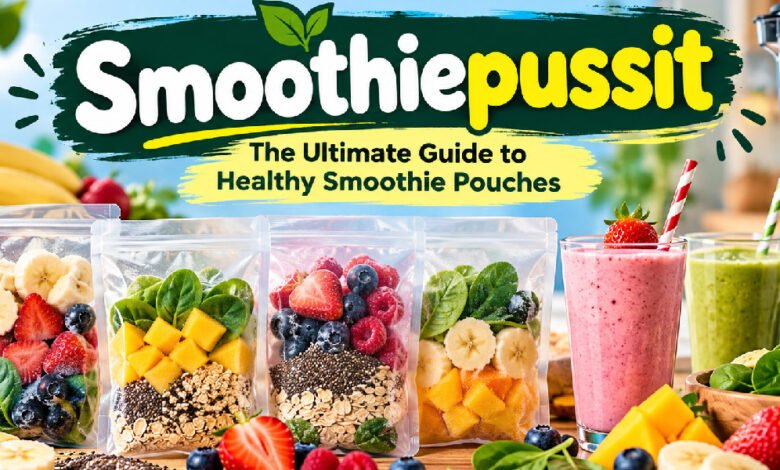
Smoothiepussit is an informal term connected with smoothie pouches and prepared smoothie packs. It can describe a pouch containing a finished smoothie or a bag of prepared ingredients that will be blended later. The exact meaning depends on how the term is being used.
People use Smoothiepussit because preparing food in advance can make daily routines easier. Fruit, vegetables, oats, seeds, yogurt, and other ingredients can be prepared ahead of time. This reduces the amount of washing, cutting, measuring, and preparation needed later.
Smoothiepussit is not one official product, diet, recipe, or food category. Homemade and commercial versions can be very different. This guide explains the meaning, types, ingredients, nutrition, preparation, storage, cleaning, benefits, limitations, and practical uses of Smoothiepussit in simple language.
What Does Smoothiepussit Mean?
The name Smoothiepussit appears to combine the English word “smoothie” with the Finnish word “pussit.” In Finnish, “pussi” means a bag or pouch, while “pussit” is its plural form. Therefore, smoothie bags or smoothie pouches is a reasonable interpretation.
However, the term does not have one strict definition. Some people use Smoothiepussit for reusable pouches filled with prepared smoothies. Other uses refer to bags containing measured fruit, vegetables, oats, seeds, or similar ingredients that are stored for later blending.
Smoothiepussit should not be confused with an official Finnish dish or special nutrition program. It is better understood as an informal name covering several related smoothie preparation methods. The shared idea is making smoothies easier to prepare, store, transport, or consume.
Main Types of Smoothiepussit
Reusable smoothie pouches are designed to be filled at home. A person prepares a smoothie, pours it into a food-safe pouch, closes the opening, and stores it appropriately. After use, the pouch can be washed, completely dried, and used again.
Smoothie ingredient packs work differently because they hold ingredients rather than a finished drink. Fruit and vegetables can be washed, cut, measured, and divided into portions. When needed, one portion is placed in a blender and combined with a suitable liquid.
Ready-made Smoothiepussit are commercially prepared products. They may contain smoothies, fruit mixtures, purees, yogurt mixtures, or similar soft foods. Some need refrigeration, while others may be shelf-stable before opening. The package instructions determine how each commercial product should be stored.
How Smoothiepussit Work
One simple approach is to prepare smoothie ingredients in advance. Fruit and vegetables are washed and cut before being separated into individual portions. Suitable ingredients such as oats or seeds can also be included. Each portion is then stored until needed.
When it is time to make the smoothie, the prepared ingredients are placed in a blender. Water, milk, yogurt, a plant-based drink, or another suitable liquid is added. The mixture is blended until it reaches the preferred consistency.
Another approach is to blend the complete smoothie first. The finished mixture is transferred into a clean reusable food pouch and properly sealed. This option can be convenient for carrying a smoothie, although perishable ingredients still require suitable cold storage.
Common Ingredients in Smoothiepussit
Fruit is a common starting point because it provides flavor, natural sweetness, and texture. Banana, strawberries, blueberries, raspberries, mango, pineapple, peaches, apples, pears, and cherries are possible choices. Fresh or frozen fruit can be used depending on the recipe.
Vegetables can add greater variety to a smoothie. Spinach, kale, cucumber, carrot, celery, avocado, cooked beetroot, pumpkin, and zucchini are examples. Spinach is often combined with sweeter fruit because its flavor can become relatively mild when blended with other ingredients.
There is no required ingredient list for Smoothiepussit. A recipe can be adjusted according to taste, allergies, dietary preferences, availability, and nutritional needs. The important point is choosing ingredients that blend properly and create a texture suitable for the container being used.
Protein, Fiber, and Liquid Choices
Protein-containing ingredients can make a smoothie more substantial. Plain Greek yogurt, regular yogurt, milk, soy milk, silken tofu, and suitable nut butter are possible choices. Some people also use protein powder, although it is not necessary for every smoothie or person.
Oats and seeds are common additions when more fiber or texture is wanted. Chia seeds, ground flaxseed, and hemp seeds can be used in suitable amounts. These ingredients can thicken a smoothie, so the amount of liquid may need to be adjusted.
Water is the simplest liquid base. Milk, soy milk, oat milk, almond milk, coconut water, and other suitable drinks can also be used. Starting with a smaller amount is useful because more liquid can easily be added if the smoothie is too thick.
Are Smoothiepussit Healthy?
Smoothiepussit can be nutritious, but their health value depends on the ingredients rather than the pouch. A smoothie containing fruit, vegetables, plain yogurt, oats, and seeds has a different nutritional profile from one containing mainly sweetened juice, syrup, and other added sugars.
A useful smoothie can contain several food groups. Fruit provides carbohydrates and various nutrients, while vegetables add greater variety. Yogurt, milk, soy foods, or other suitable ingredients can contribute protein. Oats and seeds can provide fiber and make the drink more filling.
Smoothiepussit should still be considered within the complete diet. Drinking a smoothie does not mean whole fruits, vegetables, varied food textures, or balanced meals are no longer important. The serving size and ingredients should match the person’s normal dietary and nutritional needs.
Sugar and Calories in Smoothiepussit
Fruit naturally contains sugar, so a smoothie can contain a noticeable amount of total sugar without having any added sugar. This is different from sugar introduced through sweetened yogurt, syrup, honey, sweetened juice, or other ingredients added during preparation.
Calories also vary considerably between recipes. A small fruit and yogurt smoothie may contain much less energy than a large drink containing several fruits, oats, nut butter, juice, and sweeteners. Portion size is therefore important when evaluating a smoothie.
Commercial Smoothiepussit should be checked using the nutrition label and ingredient list. Serving size, total sugar, added sugar, protein, fiber, calories, and allergens can provide useful information. Packaging design alone cannot show whether a particular smoothie suits someone’s nutritional needs.
How to Make Smoothiepussit at Home
Start by choosing a simple combination of ingredients. Fruit, vegetables, oats, and other suitable foods can be washed, prepared, and divided into individual portions. Making several portions together can reduce the preparation needed when smoothies are required during busy mornings.
Prepared ingredients can be placed in appropriate food-storage bags or containers. If they will be frozen, use packaging designed for freezer storage. Labeling the packs with their contents and preparation date can also make several homemade smoothie combinations easier to organize.
When a smoothie is needed, place one prepared portion into the blender and add a suitable liquid. Blend until smooth, adding additional liquid gradually when necessary. The finished smoothie can be served immediately or transferred to an appropriate pouch for later use.
How to Fill Reusable Smoothiepussit
Before filling a reusable pouch, make sure the smoothie has been blended thoroughly. Large fruit pieces or an extremely thick mixture may have difficulty passing through a small spout. More blending or a little suitable liquid may improve the consistency.
Open the filling section and carefully transfer the smoothie into the pouch. Avoid filling it completely because some space is needed to close the seal securely. If the manufacturer permits freezing, extra room may also be necessary because food can expand.
After filling, close the zipper, seal, or lid firmly and check the cap. A poorly closed pouch can leak inside a lunchbox or bag. Fresh smoothies containing perishable foods should then be stored at an appropriate cold temperature until they are consumed.
Freezing and Storing Smoothiepussit
Frozen ingredient packs are useful for advance preparation. Suitable fruit, vegetables, and other ingredients can be divided into portions and frozen. When required, one pack can be placed into a blender and combined with the liquid needed for the recipe.
Reusable pouches should only be frozen when their manufacturer says they are freezer-safe. Different materials respond differently to low temperatures. A pouch designed for ordinary refrigerator storage should not automatically be assumed to be suitable for freezing, heating, or microwaving.
Commercial products also have different storage requirements. Some can remain at room temperature before opening, while others must remain refrigerated. Instructions printed on the individual package should always be followed because there is no single storage method suitable for every type of Smoothiepussit.
Food Safety for Smoothiepussit
Clean preparation is important when making Smoothiepussit at home. Fresh fruit and vegetables should be washed before preparation. Hands, knives, cutting boards, blenders, pouches, and other equipment should also be clean to reduce the chance of contaminating prepared food.
Smoothies containing milk, yogurt, or other perishable ingredients require proper cold storage. A pouch makes food easier to carry, but it does not protect perishable ingredients from unsafe temperatures. Appropriate refrigeration remains necessary when the contents need to stay cold.
There is no universal safe storage period for every homemade smoothie. The ingredients, preparation method, storage temperature, container, and handling all matter. When using commercial Smoothiepussit, follow the manufacturer’s storage directions and any instructions about what to do after opening.
How to Clean Reusable Smoothiepussit
Reusable Smoothiepussit should be cleaned soon after use. Smoothie residue becomes more difficult to remove after it dries. Rinsing the pouch promptly can make the main cleaning process easier and prevent food from remaining inside for an unnecessary amount of time.
The corners, seams, zipper, drinking spout, cap, and other small areas need particular attention. Food can remain in places that are difficult to see. Appropriate dish soap and water should be used according to the cleaning instructions supplied with the pouch.
After cleaning, allow the pouch to dry completely before storing it. Some products are dishwasher-safe, while others require hand washing. A pouch with damaged seams, cracks, persistent odors, or areas that cannot be cleaned effectively may need to be replaced.
Reusable vs Ready-Made Smoothiepussit
Reusable Smoothiepussit provide greater control over ingredients and serving size. People can choose their preferred fruit, vegetables, liquid, protein sources, and other additions. They can also change recipes according to allergies, dietary preferences, or what ingredients are available at home.
The main disadvantage is additional work. Homemade versions require buying, washing, preparing, blending, filling, cleaning, and storing. Ready-made pouches require much less preparation, making them convenient for work, school, travel, and other situations where preparing a fresh smoothie is difficult.
Ready-made products provide less control over the recipe. Their nutrition can also vary widely. Consumers should check the ingredients, serving size, added sugar, protein, fiber, allergens, and storage directions. Neither homemade nor commercial Smoothiepussit is automatically the best choice for everyone.
Smoothiepussit for Children
Reusable food pouches can be convenient for children because they make soft foods easier to carry. Depending on the child’s age and dietary needs, a pouch might contain an appropriate smoothie, fruit puree, vegetable puree, yogurt, or another suitable soft food.
Parents and caregivers should consider serving size, ingredients, allergies, texture, and food temperature. Young children should be supervised while eating. Caps and other small removable parts should also be handled carefully and kept away from children when they could present a safety risk.
Pouches should not become the only way children eat fruit, vegetables, or other foods. A varied diet can include suitable whole foods and different textures alongside smoothies. Instructions and age recommendations supplied by the pouch manufacturer should also be followed carefully.
Smoothiepussit for Work, School, and Active People
Smoothiepussit can be convenient for students and office workers who want portable food. A prepared smoothie can fit into a lunch routine without requiring a blender at the destination. Safe cold storage is still necessary when the ingredients are perishable.
Active people may also use smoothies around exercise. Fruit can provide carbohydrates, while milk, yogurt, soy foods, or other protein-containing ingredients can provide protein. The appropriate recipe and serving size depend on activity level, timing, diet, and individual nutritional requirements.
Smoothiepussit should not be treated as a special sports product. Their usefulness comes from the foods inside them. Travelers can also use smoothie pouches, but fresh perishable smoothies need suitable temperature control even when the pouch is securely closed and easy to transport.
Benefits of Smoothiepussit
Convenience is one of the main benefits of Smoothiepussit. Preparing several portions at once can reduce the amount of work required each morning. Instead of repeatedly washing, cutting, and measuring ingredients, a prepared portion can be taken directly from storage when needed.
Homemade versions also provide control. People can adjust ingredients, sweetness, consistency, and serving size according to their preferences. Recipes can be changed when necessary for allergies or dietary choices, making homemade Smoothiepussit flexible for different people within the same household.
Advance preparation may also help use ripe produce before it spoils. Suitable fruit can be prepared and frozen for future smoothies rather than being discarded. Reusable pouches may reduce some disposable packaging when they are cleaned properly and used repeatedly over a long period.
Drawbacks of Smoothiepussit
Reusable Smoothiepussit require regular cleaning, and some designs can be difficult to wash thoroughly. Smoothie residue may collect around corners, zippers, seals, or spouts. If the pouch cannot be cleaned and dried properly, repeated use becomes less practical.
Texture can also create problems. A very thick smoothie may not flow easily through the spout, while pieces of fruit, seeds, or other ingredients may cause blockage. A loose cap or poorly closed seal can also result in leaks during transportation.
Ready-made pouches create packaging waste and may contain recipes that do not match everyone’s preferences. Some products can be high in sugar or relatively low in protein and fiber. Reading the label is therefore more useful than assuming all smoothie products offer similar nutrition.
How to Choose Smoothiepussit
When choosing a reusable pouch, begin with food-safety information and material quality. Look for a product designed specifically for food use. The pouch should have a reliable closure and a filling opening that makes adding food and cleaning the inside reasonably easy.
Check the manufacturer’s instructions for freezing, dishwashing, and heating. Do not assume that a freezer-safe product is automatically microwave-safe. Size is another consideration because the pouch should hold a sensible portion for the person who will regularly use it.
For commercial Smoothiepussit, focus on what is inside. Read the ingredient list and check serving size, added sugar, protein, fiber, allergens, and storage directions. Choose according to nutritional needs and practical use rather than relying only on pictures or claims on the package.
Smoothiepussit and Sustainability
Reusable Smoothiepussit can reduce the need for some disposable containers when the same pouch is used repeatedly. However, reusable does not automatically mean environmentally better in every situation. Manufacturing, transportation, washing, durability, and final disposal all contribute to environmental impact.
Disposable smoothie pouches create packaging waste, and some packages combine several materials that may be difficult to recycle. Recycling systems also differ between locations. Consumers should therefore follow the recycling instructions on the package and the rules provided by their local waste service.
Preparing smoothie ingredients before they spoil can also reduce household food waste. Ripe fruit can sometimes be cut and frozen for future use instead of being thrown away. Careful meal planning may therefore improve both convenience and the use of food already purchased.
Final Thoughts
Smoothiepussit is an informal term covering several convenient ways of preparing and carrying smoothies. It can describe reusable pouches containing finished smoothies, ready-made commercial products, or prepared ingredient packs that are stored until they are ready to be blended.
There is no single Smoothiepussit recipe or nutritional profile. The quality of a smoothie depends on its ingredients, serving size, protein, fiber, added sugar, and overall place in the diet. Homemade versions provide control, while ready-made versions emphasize convenience.
Good preparation, storage, and cleaning are essential. Food-safe containers should be used correctly, perishable ingredients should remain appropriately chilled, and reusable pouches should be cleaned and dried thoroughly. Used thoughtfully, Smoothiepussit can make smoothie preparation simpler and more flexible.
(FAQs)
What does Smoothiepussit mean?
Smoothiepussit is an informal term linked with smoothie pouches, smoothie bags, and prepared smoothie ingredient packs. The Finnish word “pussit” means bags or pouches, which helps explain the term.
Are Smoothiepussit healthy?
Smoothiepussit can be healthy depending on their ingredients and portion size. Fruit, vegetables, yogurt, oats, seeds, and suitable protein sources can create a nutritious smoothie with protein, fiber, carbohydrates, vitamins, and minerals.
Can I make Smoothiepussit at home?
Yes. You can prepare fruit, vegetables, oats, and other smoothie ingredients in individual packs for later blending. You can also blend a smoothie first and transfer it into a suitable reusable food pouch.
Can Smoothiepussit be frozen?
Many smoothie ingredient packs can be frozen, making advance preparation easier. Reusable smoothie pouches should only be frozen when the manufacturer confirms they are freezer-safe. Always follow the instructions for the specific pouch.
Do Smoothiepussit need to be refrigerated?
Fresh Smoothiepussit containing milk, yogurt, or other perishable ingredients generally need appropriate refrigeration. Some unopened commercial smoothie pouches may be shelf-stable, so always follow the storage instructions printed on the individual package.





One Comment